20+ years focused on cosmetic bags

 FUYUAN
  2026-06-08


By Steven Yuan, FUYUAN BAG FACTORY | Updated: June 8, 2026
For most Amazon private-label brands, the single biggest decision behind a winning makeup bag is not the print or the zipper pull – it is the base material. PU (polyurethane) makeup bags look premium, photograph beautifully, and wipe clean, but cost more and carry chemical-compliance weight. Nylon makeup bags are lighter, cheaper per unit, more travel-friendly, and easier to hit a low MOQ on, but they read as “functional” rather than “luxury.” If you are chasing a premium price point and unboxing appeal, PU usually wins; if you are chasing volume, margin, and a durable travel niche, nylon usually wins.
That is the short answer. But the right call depends on your price point, your target ACoS, your shipping math, and how much compliance risk you want to carry. After producing both materials for hundreds of Amazon sellers since 2003, we wrote this guide to give you the real procurement trade-offs – cost, durability, printing, waterproofing, MOQ, weight, and margin – so you can choose the material that fits your listing instead of copying a competitor blindly.
Disclaimer: This article is general manufacturing and sourcing guidance, not legal or regulatory advice. Final compliance must be confirmed by an accredited testing lab (SGS, BV, Intertek) against the rules of your destination market.
Before we go deep, here is the decision in plain language. If your brand sells at a premium beauty price point and your listing photos need to communicate “this feels expensive,” choose PU. The smooth, leather-like face holds embossing and foil logos that scream private label, and the surface wipes clean of foundation and powder – a real selling point in reviews.
If your brand sells travel pouches, gym kits, everyday organizers, or value multipacks, choose nylon. It is lighter (cheaper to ship and lower FBA weight tiers), it survives being crushed into a suitcase, and it lets you run full-color sublimated prints that no PU surface can match. Nylon also gets you to a low first-order MOQ more comfortably, which de-risks a new launch.
Most experienced sellers eventually run both: a PU “hero” SKU for brand image and a nylon travel SKU for volume. Our OEM/private-label service is built to let you do exactly that under one supplier, one set of artwork, and one consolidated shipment.
PU stands for polyurethane – a synthetic coating applied to a fabric backing (usually a polyester or cotton-poly base) to create a smooth, leather-like surface. In the trade you will hear it called PU leather, vegan leather, or faux leather. It is not genuine animal leather, and it should never be marketed as “leather” on Amazon without the “PU” or “vegan” qualifier, or you risk a listing suppression.
PU comes in many finishes: smooth, pebbled (litchi grain), saffiano (cross-hatch), matte, and patent (high gloss). Each finish changes the perceived value and how it photographs. Pebbled and saffiano hide fingerprints and minor scuffs better than smooth or patent, which matters for a product customers handle daily.
The big commercial advantages of PU: it feels premium, it takes crisp embossing and foil stamping, and the face wipes clean – spilled foundation or a broken eyeshadow does not soak in. The trade-offs: it is heavier, costs more, can crack or peel over years of heavy flexing if the grade is low, and carries more chemical-compliance attention because coatings can contain restricted substances. We source PU specifically rated for REACH and Prop 65 to manage that – more in section 11. See our dedicated PU cosmetic bag material page for finishes and reference styles.
Nylon is a woven synthetic fabric prized for being lightweight, strong for its weight, and naturally water-resistant. In cosmetic bags you will see ripstop nylon, 210D/420D/600D nylon (the “D” is denier, a thread-weight measure – higher means tougher), and nylon with a PU or PVC backing for added structure and waterproofing.
Nylon’s strengths map almost perfectly to the travel and everyday niches: it is hard to tear, it shrugs off water and most spills, it folds flat, and it is light enough to keep your bag in a lower FBA weight band. It is also the best canvas for vivid, full-color graphics because it accepts dye-sublimation printing – the design becomes part of the fiber and will not crack or peel.
The trade-offs: nylon reads as practical rather than luxurious, so it is a harder sell above roughly $22 retail unless you add premium hardware, and a thin, uncoated nylon can feel cheap in hand. The fix is choosing the right denier and adding a quality lining and zipper. Many sellers blur the line by pairing nylon with a PU trim or a metal logo plate. Our nylon cosmetic bag page and the broader polyester options show the weaves we keep in stock for fast sampling.
| Factor | PU makeup bag | Nylon makeup bag |
|---|---|---|
| Perceived value | High – premium, leather-like | Medium – functional, sporty |
| Best retail price band | $18–$45 | $9–$22 |
| Unit cost | Higher (25–60% more) | Lower |
| Weight | Heavier | Lighter |
| Wipe-clean face | Excellent | Good (if coated) |
| Water resistance | Surface wipes; seams can wick | Naturally water-resistant |
| Best printing | Emboss, foil, screen, deboss | Sublimation, full-color, screen |
| Durability concern | Can crack/peel if low grade | Can look worn if too thin |
| Folds flat for travel | No (holds shape) | Yes |
| Compliance attention | Higher (coating chemistry) | Moderate |
| Typical MOQ comfort | 500–1,000 | 500 |
| Best niches | Beauty brand, gifting, bridal | Travel, gym, kids, multipack |
The sticker difference between PU and nylon is real, but it is the landed cost – unit price plus freight plus duty plus FBA fees – that decides your margin. Here is how the two stack up across the cost chain.
Material cost. Quality PU costs more per meter than mid-weight nylon, and you typically need more of it because PU bags are structured (boxy) and use stiffeners, foam, and heavier linings. Nylon bags are often unstructured pouches that use less material.
Labor. A structured PU boxy bag has more panels, piping, and reinforcement, so it takes more sewing minutes than a simple nylon zip pouch. That labor gap widens the unit-cost difference beyond just the fabric.
Freight. PU is heavier and bulkier, so it costs more to ship by sea per unit and a lot more by air. For a brand replenishing frequently by air, this gap alone can flip the margin math.
FBA fees. Amazon’s fulfillment fee is driven by size and weight tier. A lighter nylon pouch can land in a cheaper tier than a heavier PU box of the same dimensions. Over thousands of units, that is meaningful.
The takeaway: nylon almost always wins on raw landed cost. But cost is only half the equation – a PU bag that supports a $34 price point can out-earn a nylon bag at $14 even after its higher costs. Run both through a real margin model before deciding. If you want help, our team can quote both materials on the same spec so you compare apples to apples; start at our custom service page.

Durability complaints are the silent margin-killer on Amazon – they drive returns and one-star reviews. PU and nylon fail in different ways, and knowing how lets you spec around the failure.
How PU fails: low-grade PU can crack, peel, or get sticky over 1–3 years, especially the surface coating at high-flex points like the zipper edge and corners. The fix is specifying a higher-grade PU with a strong bonding layer, reinforcing corners, and avoiding ultra-thin patent finishes for daily-use bags. Properly specified, PU lasts years and wipes clean the whole time.
How nylon fails: nylon rarely cracks, but a too-thin denier can pill, the coating can flake if cheap, and seams can fray if not bar-tacked. The fix is choosing 420D–600D for structured bags, bar-tacking stress points, and using a quality coated nylon for the lining.
In our four-gate QC we test both for zipper cycle life, seam strength, and surface adhesion. PU goes through a coating-adhesion and flex test; nylon goes through abrasion and seam-pull tests. You can see the full flow on our production flow page. The point for buyers: durability is a spec decision, not a material destiny. Either material can be cheap and fragile or premium and durable depending on the grade you approve at sampling.
This is where the two materials genuinely diverge, and it should heavily influence your choice if your brand identity is visual.
PU branding strengths. PU is the best surface for logo techniques that signal luxury: embossing and debossing press your logo into the surface for a tactile, tonal mark; foil stamping adds metallic gold/silver/rose-gold; and a metal logo plate sits beautifully on a smooth or pebbled face. Screen printing also works on matte PU. What PU cannot do well is edge-to-edge photographic color.
Nylon branding strengths. Nylon is the best surface for color. Dye-sublimation and heat-transfer printing let you wrap the entire bag in a photographic pattern, gradient, or all-over logo print with no cracking, because the dye becomes part of the fiber. Silk-screen printing works for spot logos. This makes nylon ideal for bold, trend-driven, Gen-Z aesthetics and licensed-style patterns.
Quick rule: if your brand is “quiet luxury,” minimal, and logo-led, PU. If your brand is colorful, pattern-led, and playful, nylon. If you want both a tonal embossed logo and a full-color body, you likely need a nylon body with a PU patch – a combo we build often.
“Waterproof” is one of the highest-converting keywords in the cosmetic bag category, so it is worth understanding what each material can honestly claim.
PU: the outer face is naturally wipe-clean and resists surface spills well, which is great for makeup residue. However, water can still wick through stitched seams and the fabric backing if the bag is submerged. For a true wet/dry travel bag, PU usually pairs with a coated or PEVA inner lining.
Nylon: nylon is inherently water-resistant and, with a PU/PVC backing or a TPU lining, can be made genuinely water-resistant for travel. This is why most hanging toiletry bags and wet-kit organizers are nylon-based.
For either material, the honest, review-safe claim is usually “water-resistant” rather than “waterproof,” unless you have welded (not stitched) seams. We offer fully lined, coated constructions for both – see the waterproof cosmetic bag options – and we recommend matching the claim on your listing to the test result to avoid returns and negative reviews.
Weight is an underrated decision factor because it hits you three times: ocean freight (priced partly by volume/weight), the FBA fulfillment fee tier, and storage. PU bags are heavier and hold their shape, so they take more carton volume; nylon bags compress and weigh less.
For a high-velocity SKU you replenish often, especially if any of it moves by air, the nylon weight advantage compounds quickly. For a premium SKU with a fat margin and slower turns, the PU weight penalty is easy to absorb. A practical tactic: design the PU bag to nest or fold partially flat where possible, and choose carton dimensions that maximize units per carton – we optimize both during the packaging stage. For the full chain from factory to FBA, see our recent guide on shipping and prep referenced from the industry blog.
For a first order, MOQ risk often matters more than unit price. Here both materials are workable, but nylon is slightly easier on the wallet at low volumes because the material and labor cost less per unit.
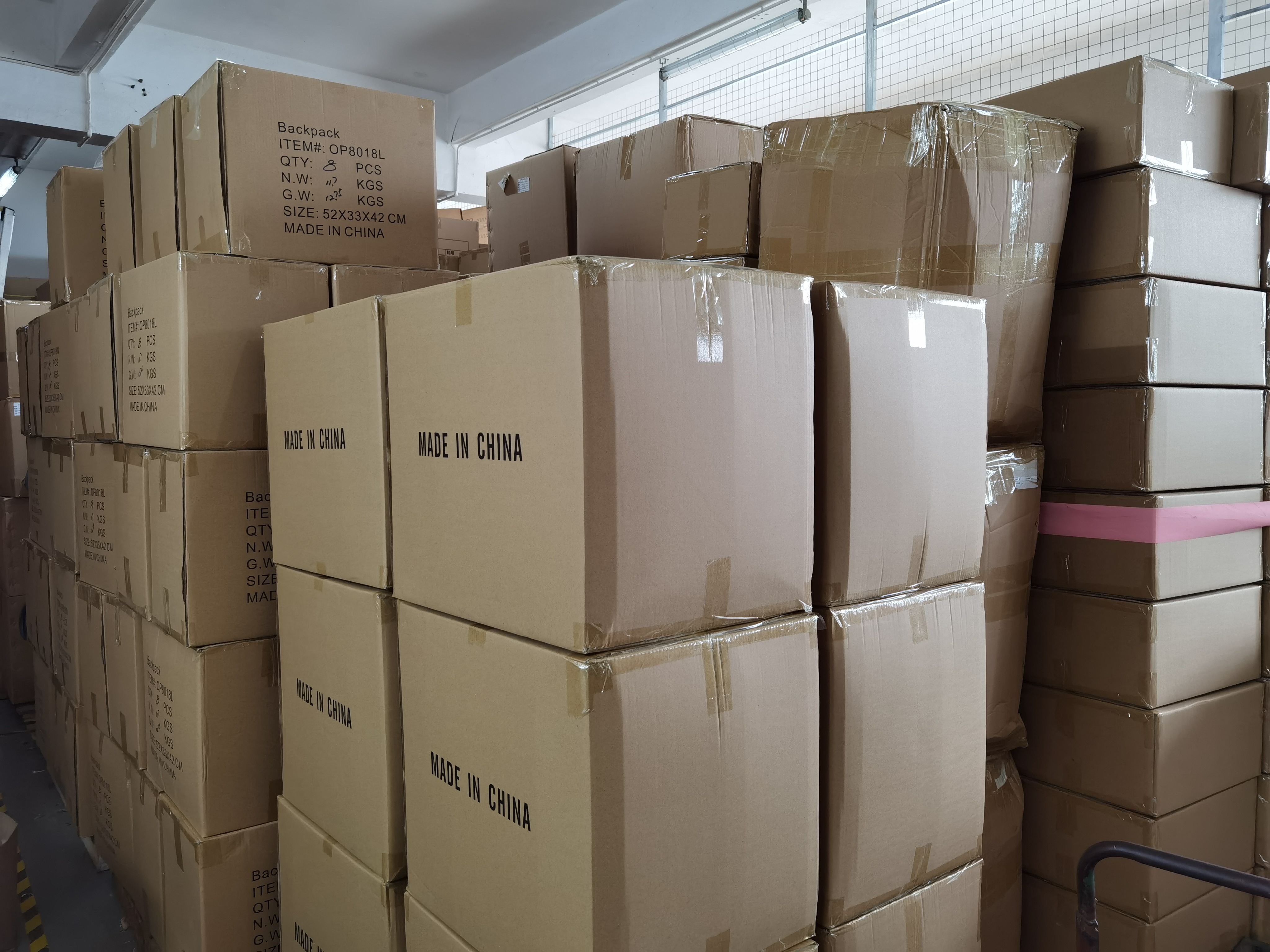
Our standard MOQ is 500 units per design, with 7–15 day production once the sample is approved. We always recommend a pre-production sample (PPS) before bulk – for PU you are checking finish, grain, color match, and logo crispness; for nylon you are checking denier feel, print color accuracy, and coating quality. Approve the sample in hand, not just from photos: screen colors lie, and a sublimation print or a PU grain can shift between a digital proof and reality.
A smart launch sequence: sample both PU and nylon versions of your hero design, photograph both, and even run a small split test if budget allows. Then commit your bulk MOQ to the winner. Browse reference builds on our custom cosmetic bag wholesale page and real programs on our brand case studies.
Material choice changes your compliance exposure, and this is where many new sellers get blindsided. Coated materials – especially PU and PVC – attract more scrutiny because coatings, plasticizers, and dyes can contain restricted substances.
PU: watch for restricted substances in the coating and any plasticizers. EU REACH (SVHC), US CPSIA (if marketed for children), and California Prop 65 (which can flag substances like certain phthalates or heavy metals) all apply depending on your market and audience. The mitigation is sourcing PU that is pre-tested and certified, and confirming with a finished-product lab test.
Nylon: generally lower risk than coated PU/PVC, but dyes, any coating, and AZO colorant rules still apply, and zippers/hardware must clear nickel and lead limits regardless of body material.
At FUYUAN we build to EU REACH, US CPSIA, California Prop 65, SGS, and RoHS requirements, and our materials run through compliant supply chains validated under programs like Disney FAMA and Coca-Cola’s vendor standards. That heritage matters when a marketplace or a big-box buyer asks for documentation. Still, treat our guidance as a starting point and confirm every claim with an accredited lab against your destination market – see our FAQ for the documents we can provide.
Eco claims convert well in beauty, but they must be honest. Both materials have greener versions.
Nylon: recycled nylon (often from post-industrial or ocean-bound waste) and recycled polyester (rPET) are mature, widely available, and let you make a credible “made with recycled materials” claim with supplier documentation. Because nylon already dominates travel bags, the eco upgrade is an easy swap.
PU: conventional PU is petroleum-based, but water-based PU and bio-based/partly plant-derived PU reduce solvent use and footprint versus older solvent PU. These are a meaningful upgrade if your brand leans “clean” and you want the leather look without animal leather.
The compliance rule applies to eco claims too: keep certificates on file (e.g., GRS for recycled content) and avoid vague “eco-friendly” wording that you cannot substantiate, which can trigger greenwashing complaints. We can quote recycled-nylon and water-based-PU versions of any design – just ask via our custom service team.
Mapping material to niche is the fastest way to a confident decision:
For the broad women’s everyday segment, both sell – the deciding factor is your price point. Below ~$18, nylon protects margin; above it, PU justifies the price. Explore reference shapes on our women’s cosmetic bag page.
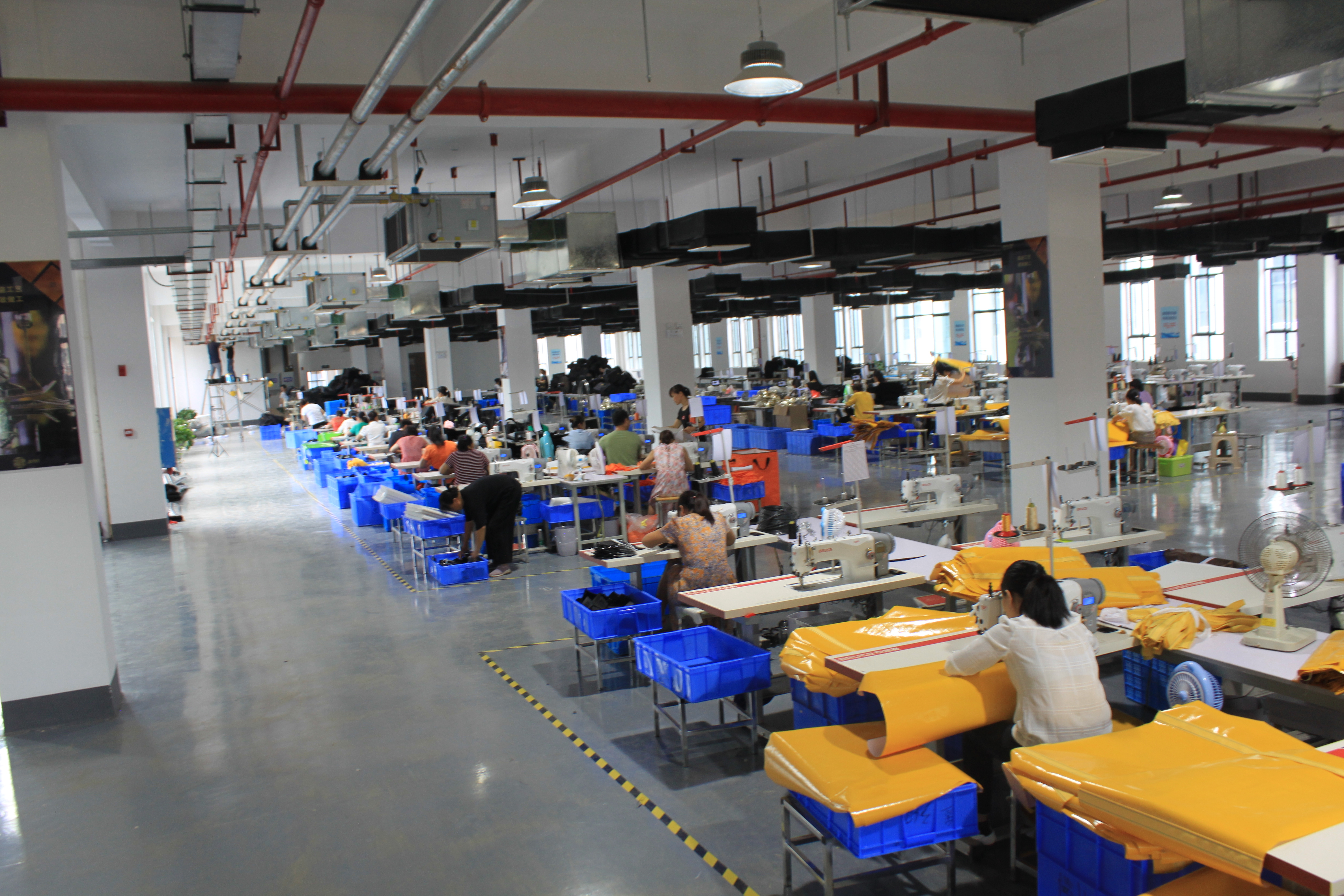
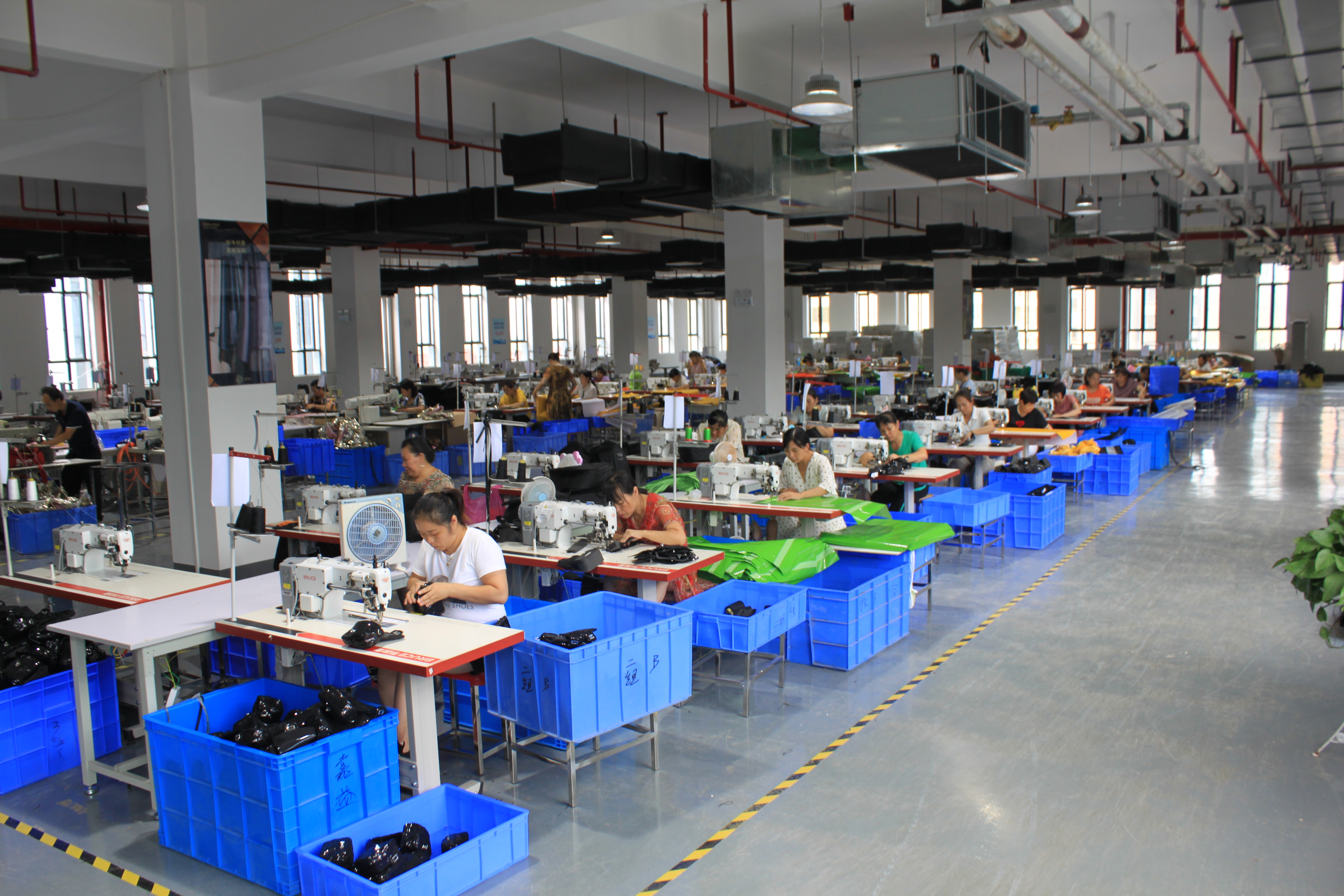
FUYUAN BAG FACTORY has focused on bags since 2003 – more than 20 years of OEM/ODM for beauty and lifestyle brands. We run a Shenzhen headquarters plus a Jiangxi production base, with 100+ workers, 100+ industrial sewing machines, and over 2,000 m² of self-owned capacity. We have exported to 60+ countries and produced for brands including Coca-Cola, Disney, Tencent, and Baidu, holding BSCI, SEDEX, and ISO 9001 certifications and clearing Disney FAMA and Coca-Cola compliance systems.
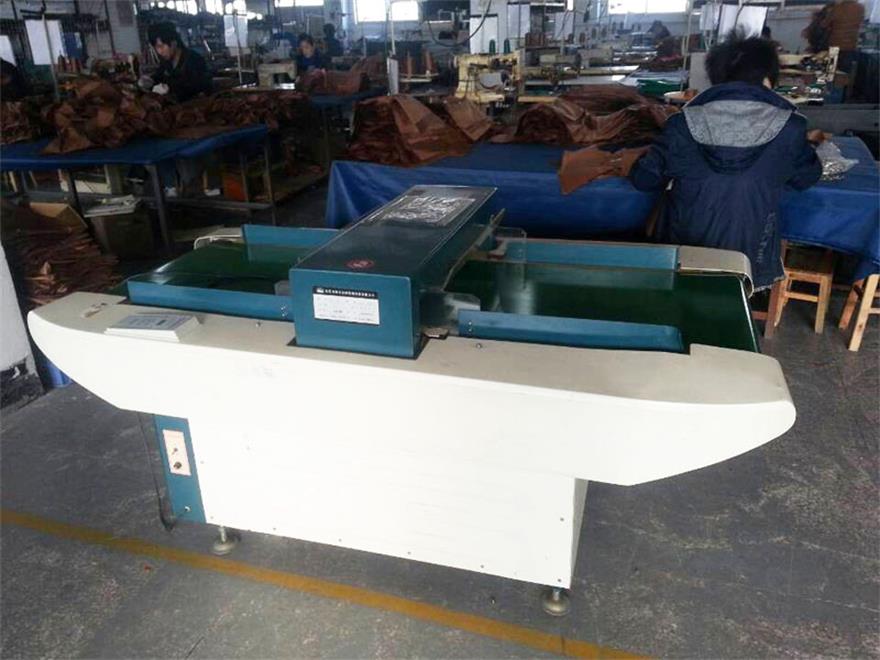
For PU programs we control finish selection, structured construction, embossing/foil tooling, and coating-adhesion QC. For nylon programs we control denier selection, sublimation and screen printing, coated linings, and abrasion/seam testing. Both run through the same four-gate QC and a final needle-detection pass before packing. Because both materials live under one roof, you can launch a PU hero SKU and a nylon travel SKU together, share artwork and hardware, and consolidate into a single shipment. Learn more on our story.
It depends on price point. PU is better for premium beauty brands at $18–$45 retail because it looks luxurious and wipes clean. Nylon is better for travel, gym, and value pouches at $9–$22 because it is lighter, cheaper, and water-resistant.
Nylon is typically 25–60% cheaper per unit once material, labor, and freight are counted, because PU bags use more material, are heavier, and are usually structured with more sewing labor.
Not well. PU is best for embossing, foil, screen print, and metal logos. For edge-to-edge full-color graphics, nylon with dye-sublimation is the right choice. A nylon body with a PU logo patch gives you both.
The face wipes clean and resists surface spills, but stitched seams can wick water. For true wet/dry use, add a coated or PEVA lining. “Water-resistant” is the honest listing claim unless seams are welded.
Generally yes, because coatings and plasticizers attract more scrutiny under REACH and Prop 65. Source pre-tested, certified PU and confirm with a finished-product lab test. Hardware on both materials must clear nickel and lead limits.
Our standard MOQ is 500 units per design for both, with 7–15 days production after sample approval. We recommend sampling both materials of your hero design before committing bulk.
Still unsure whether PU or nylon fits your listing? Send us your target retail price, design, and market – we will quote both materials on the same spec so you can compare landed cost and margin side by side, and we will make pre-production samples of each before you commit a single bulk unit.
FUYUAN BAG FACTORY
Tel: +86-755-21035273
Email: sales002@fuyuanbag.com
Get started on our custom service page or contact us for a same-spec PU vs nylon quote.


20+ years focused on cosmetic bags
sales002@fuyuanbag.com
+86-755-21035273
4F No.B, XinTian Innovative Industry Area, GuanLan Street, Baoan District, Shenzhen,Guangdong,China