20+ years focused on cosmetic bags

 FUYUAN
  2026-06-08


By Steven Yuan, FUYUAN BAG FACTORY | Updated: June 8, 2026
For most custom makeup bags, the realistic minimum order quantity (MOQ) is 500 pieces per style/color, and the standard production lead time is 7–15 working days after your sample is approved and deposit is paid. Sampling itself usually adds another 5–10 days up front. So if you start from scratch — new artwork, new material, new size — budget roughly 3 to 5 weeks from kickoff to finished goods leaving the factory, before you add shipping time to Amazon FBA or your warehouse.
Those numbers move with material, decoration method, hardware, and season. A simple printed polyester pouch can sometimes run at a lower MOQ and ship in a week; a structured PU train case with custom zippers, embossed logos, and a printed gift box will sit at the higher end of both MOQ and lead time. This guide explains exactly what drives MOQ and lead time for custom cosmetic bags, gives you real benchmark tables, and shows you how to lower both without sabotaging quality — written from 20+ years of OEM/ODM production at our Shenzhen cosmetic bag factory.
Disclaimer: The MOQ, lead-time, and cost figures below are typical industry and FUYUAN benchmarks for planning purposes. Exact numbers depend on your specs, quantity, materials, and the season — always confirm against a written quotation and pro-forma invoice for your specific project.
MOQ (minimum order quantity) is the smallest number of units a factory will produce for a given specification. For cosmetic bags it is almost always quoted per style per color — not as a total. If a factory says “MOQ 500,” that usually means 500 of one bag in one colorway, not 500 split across five colors. Splitting colors below the minimum is possible but raises the price per piece because each color still needs its own material cut and setup.
Lead time is the number of working days from a defined start point to the goods being finished and ready to ship. The single most common misunderstanding is where the clock starts. A reputable factory counts the production lead time from the moment your sample is approved and your deposit clears and your final artwork is locked. If any of those three is missing, the clock has not really started, no matter what the proforma says.
Keep these two numbers separate in your planning. MOQ affects your cash outlay and inventory risk; lead time affects your launch date and your ability to restock. They are driven by overlapping but different factors, which we’ll unpack below.
Here are realistic 2026 MOQ ranges for the most common custom cosmetic bag categories. These assume a custom build (your design, your logo) rather than buying an existing stock bag.
| Bag type | Typical MOQ (per style/color) | Notes |
|---|---|---|
| Flat zipper pouch (polyester / nylon) | 500 pcs | Lowest-barrier custom item; simple cut and sew |
| Printed makeup pouch (sublimation) | 500–1,000 pcs | Print setup favors larger runs |
| PU / vegan leather cosmetic bag | 500–1,000 pcs | Material rolls and color batching drive minimum |
| Boxy / structured cosmetic case | 500–1,000 pcs | Internal stiffener and patterning add setup |
| Hanging toiletry bag (multi-compartment) | 500–1,000 pcs | More panels and hardware per unit |
| EVA / hard-shell travel case | 1,000–3,000 pcs | Molded EVA needs a tooling/mold setup |
| Clear PVC / PEVA / TPU pouch | 500–1,000 pcs | Welding setup; color limited |
| Cosmetic bag set (2–3 pcs) | 500 sets | Counted as sets; each size adds patterning |
At FUYUAN our standard MOQ starts at 500 pieces for most soft cosmetic bags, which is friendly for new private-label brands and Amazon sellers testing a design. Molded or heavily tooled items (hard EVA cases, custom-shaped injection parts) carry higher minimums because the tooling cost has to be spread across the run. If your target quantity is below a factory’s MOQ, you generally have three levers: pay a higher unit price, accept a stock or semi-stock body with custom decoration only, or consolidate colors into one.
MOQ is not arbitrary. It is the factory protecting itself against losing money on setup-heavy, low-volume jobs. The main cost blocks behind any minimum are:
The practical takeaway: complexity raises MOQ, repetition lowers it. If you keep one body and one decoration method and simply change color, you reuse most setups and the factory can offer a friendlier minimum per color.
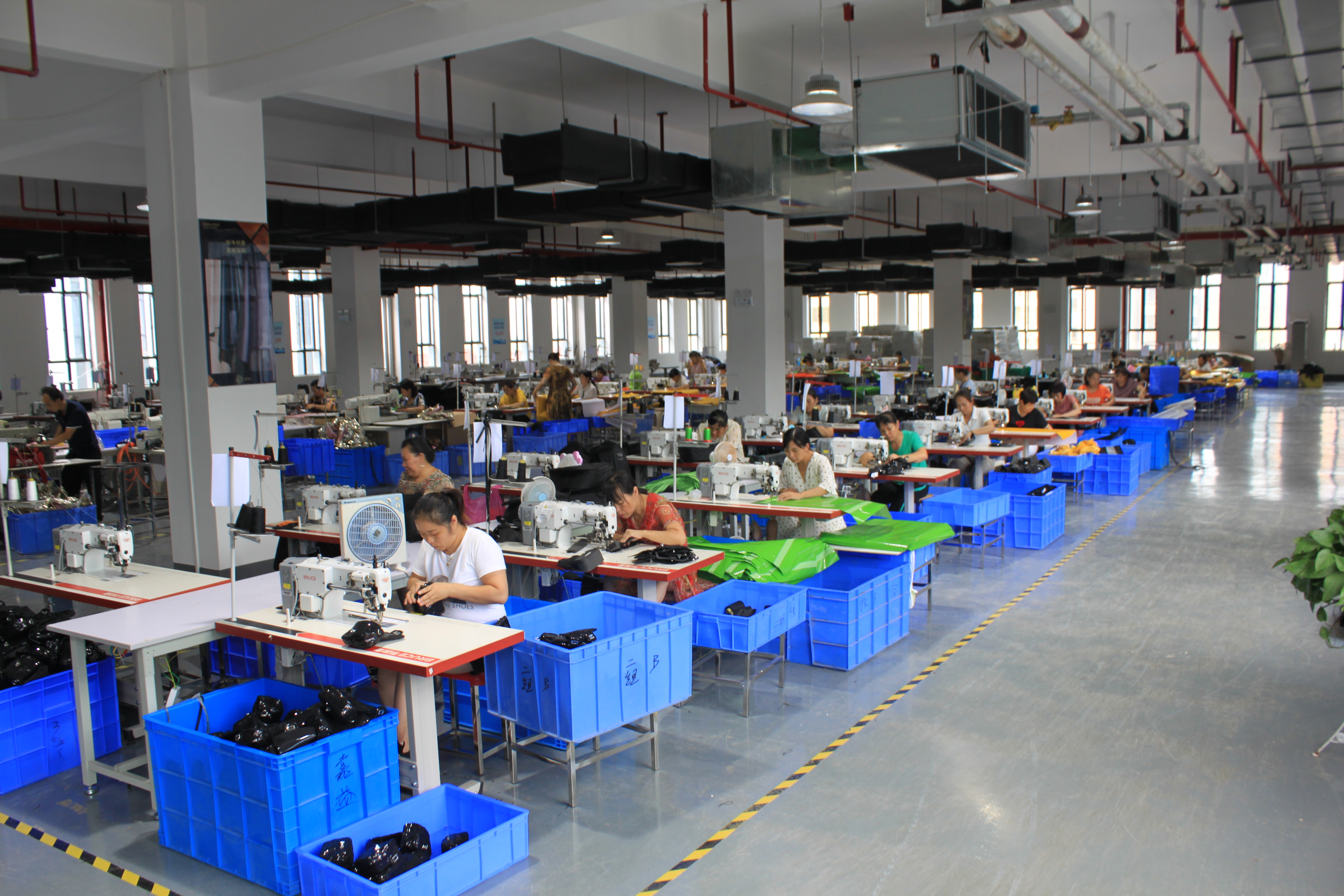
“7–15 days” is the bulk production window only. The honest full picture, from your first message to goods at the door, looks like this:
| Stage | Typical duration | Who controls it |
|---|---|---|
| Quote & spec confirmation | 1–3 days | Mostly the factory’s responsiveness |
| Artwork & tech pack finalization | 2–7 days | Mostly you |
| Sampling (incl. shipping sample) | 5–10 days | Shared |
| Sample review & approval | 1–5 days | You |
| Material sourcing (if non-stock) | 0–10 days | Factory + mills |
| Bulk production | 7–15 days | Factory |
| QC & packing | 1–3 days | Factory |
| Freight to FBA / warehouse | 3–40 days | Forwarder (air vs sea) |
Add the production-side stages together and a from-scratch first order is commonly 3–5 weeks at the factory before freight. Your second order of the same item is dramatically faster — samples are approved, artwork is locked, and material may already be in stock, so you’re back to the core 7–15 day production window. This is why repeat buyers experience much shorter lead times than the “first-timer” number suggests. You can see how these phases connect on our production flow page.
Sampling is where first-time timelines quietly slip. A pre-production sample (PPS) is the factory’s physical proof of your bag: correct material, color, size, stitching, hardware, and logo placement. You should never skip it on a custom order, and you should expect at least one revision round.
There are a few sample types worth knowing:
Sampling typically costs a sample fee plus express shipping, and many factories (FUYUAN included) credit the sample fee back against a confirmed bulk order. To keep sampling from eating two weeks, send a complete tech pack and reference images up front, respond to factory questions within a day, and approve or reject clearly in writing. Vague feedback (“make it a bit nicer”) forces extra rounds and is the number-one cause of sampling delay.
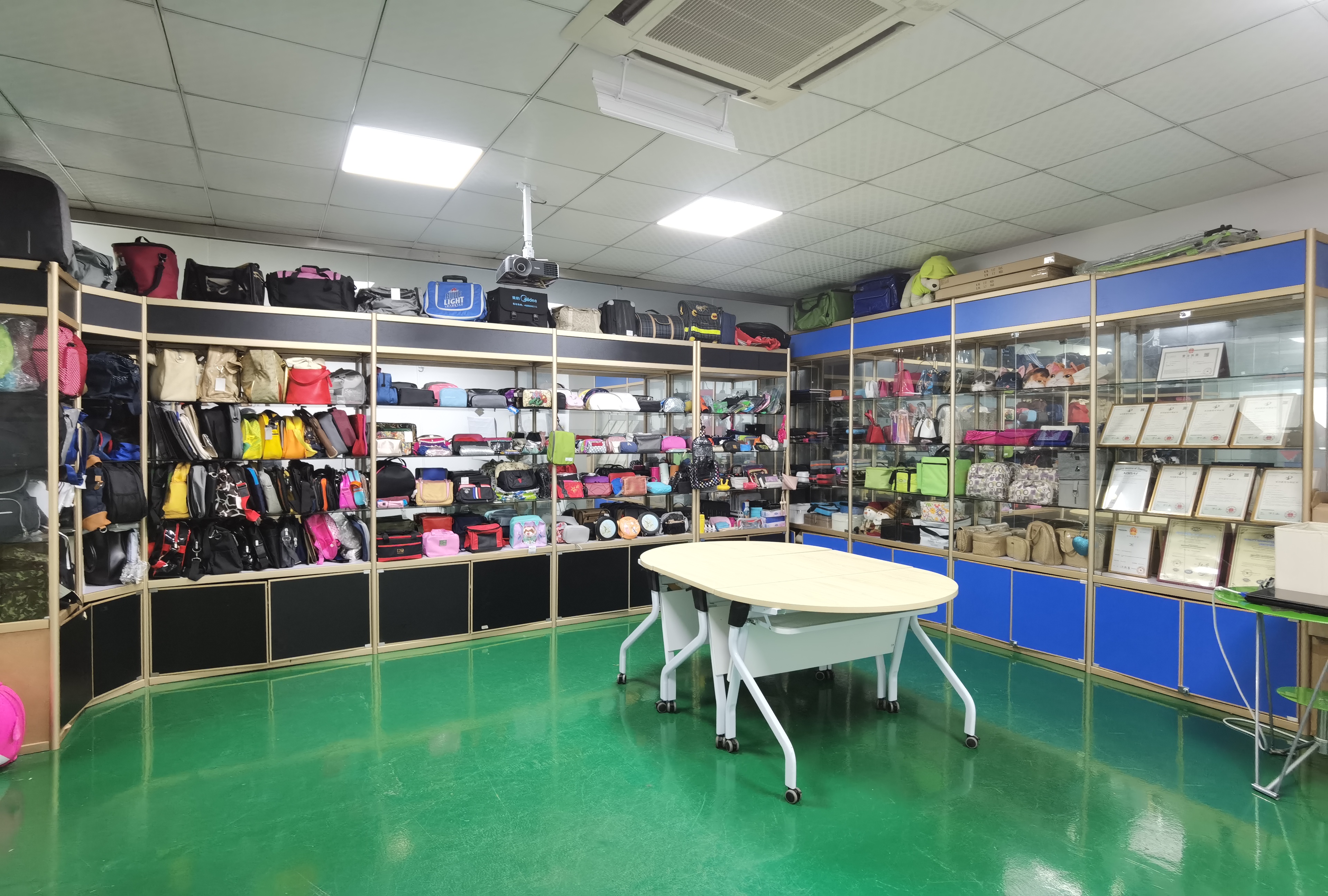
Material is the biggest swing factor after quantity. Stock materials the factory already keeps on the shelf can go straight into production; custom-dyed or specialty materials add a sourcing wait and often a higher fabric minimum.
If launch speed matters more than a perfectly bespoke fabric, choosing from a factory’s in-stock material library is the single fastest decision you can make. You keep a custom look through print, color, and logo while skipping the material-sourcing wait entirely.
Two identical-looking bags can have very different timelines purely because of how the logo and trims are done. Each decoration method has its own setup and its own MOQ economics:
| Decoration | Setup impact | Best for |
|---|---|---|
| Silk-screen print | One screen per color; cheap at volume | Bold logos, solid colors, large runs |
| Heat transfer / sublimation | Low setup; full-color art | Photographic prints, gradients |
| Embroidery | One digitizing file; per-stitch time | Premium, textured branding |
| Embossing / debossing | One metal plate (tooling) | Subtle, high-end logos on PU/leather |
| Custom zipper pulls / metal plates | Own hardware MOQ & lead time | Brand-defining finishing touches |
The thing to watch is the long pole in the tent. If your bag itself takes 12 days but your custom-engraved metal zipper pull takes 20 days from a hardware supplier, your real lead time is 20+ days. Always ask the factory which component has the longest sub-lead-time and order that first. Standard hardware (stock zippers, standard pulls) keeps everything fast; bespoke hardware is where surprises hide.
Lead-time benchmarks assume normal months. Two predictable periods break them every year:
The fix is simply calendar discipline: pull your order forward. A buyer who places a holiday order in June pays the same unit price and gets the standard lead time; the same buyer in September competes for line space and pays in both time and stress.
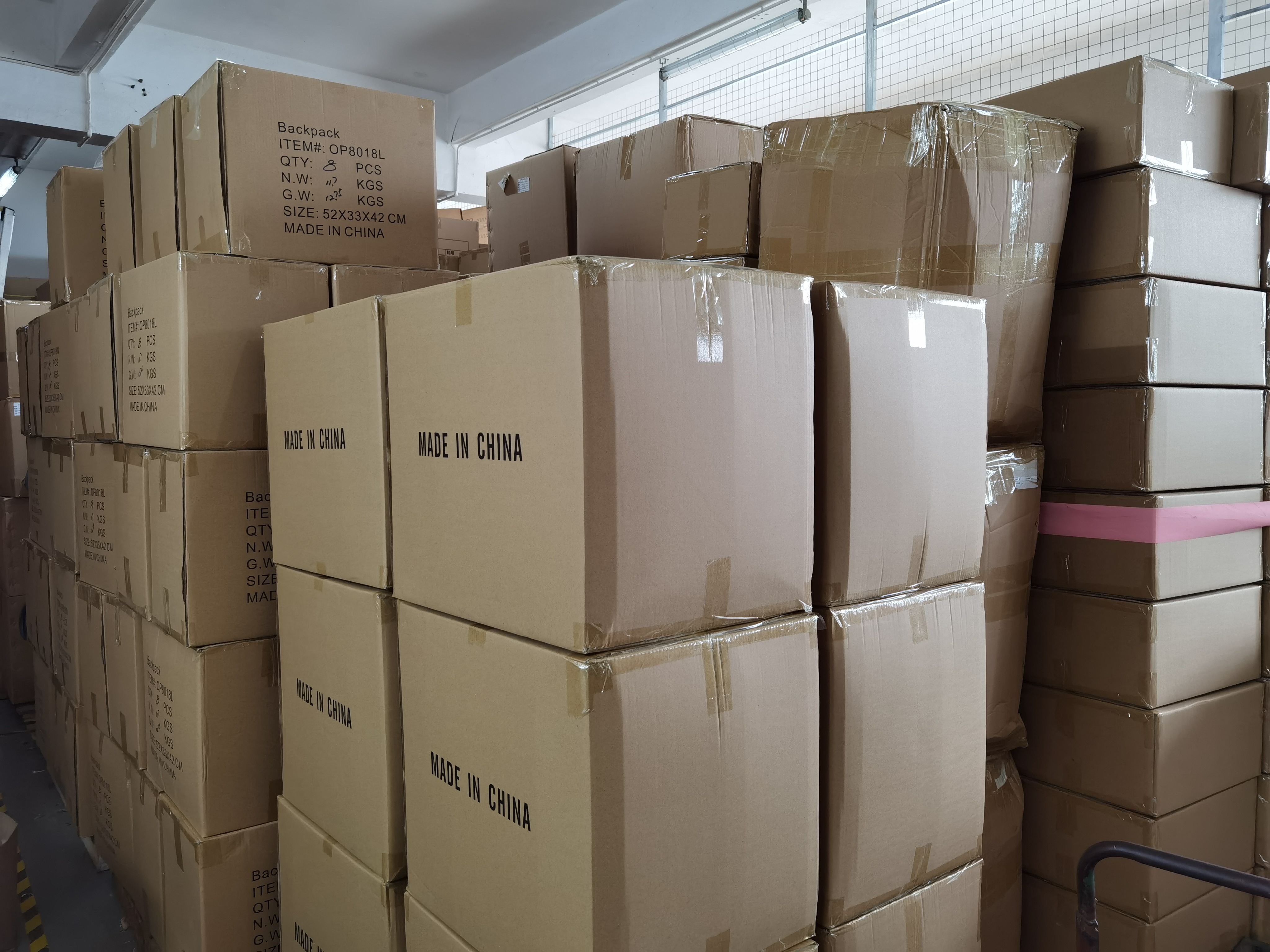
Plenty of buyers want a 100-piece custom run. Sometimes that’s possible; often it just isn’t economical, and chasing it leads to bad supplier choices. Here are honest ways to reduce your minimum:
What to be wary of: a supplier who advertises a suspiciously low MOQ on a fully custom build with premium materials is often a trading company that will batch your order with others, reducing your control over color and QC. Ask directly whether they own the production line.
You can shorten the calendar without cutting corners on quality. The safe levers are almost all on the front end:
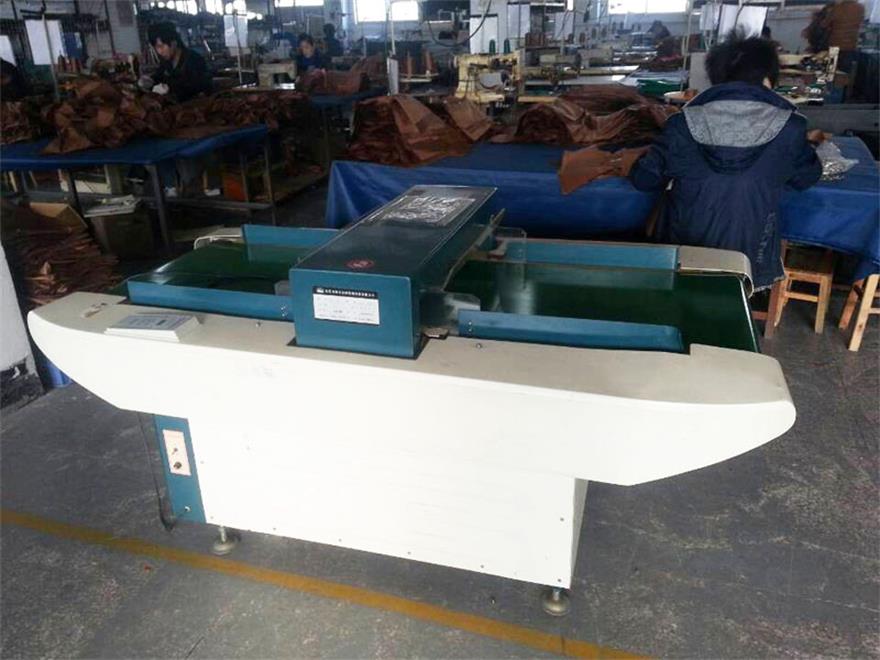
What you should not do: skip the pre-production sample, skip QC, or push a factory to “just start” before specs are final. Time saved there is paid back with interest in defects, disputes, and reworks.
The professional way to plan is to start from the date you need stock live and sellable, then subtract backward. Here is a worked example for a US Amazon seller launching a new PU makeup pouch by sea freight:
| Milestone | Time before launch |
|---|---|
| Listing live, stock checked in at FBA | Day 0 |
| FBA receiving & check-in buffer | −7 to −14 days |
| Sea freight + customs (China→US) | −30 to −40 days |
| Production + QC + packing | −12 to −18 days |
| Sampling + approval | −10 to −15 days |
| Artwork, quote, deposit | −5 to −10 days |
Add it up and a sea-freight first launch wants roughly 2.5–3.5 months of runway. Air freight collapses the freight block to about a week but costs much more per kilo, so many sellers air-ship the first small batch to start selling and reviews, then restock by sea. The point is that production lead time is only one slice; freight and FBA check-in are often the larger blocks, and they’re the ones first-time sellers forget.
MOQ and lead time aren’t just scheduling numbers — they directly shape your unit economics. A higher MOQ usually buys a lower unit price (setup is spread thinner) but ties up more cash and inventory. A rushed lead time may push you to air freight, which can add more to your landed cost than the bag itself.
A simple way to think about it: every piece of your landed cost is bag price + decoration + packaging + freight + duties + FBA fees, divided across your order quantity. Larger orders dilute setup and per-shipment costs; smaller orders concentrate them. That’s why a 500-pc test order often has a higher per-unit landed cost than a 2,000-pc restock — and why the test order is still the right move when you’re validating a design. Don’t over-order to chase a lower unit price on an unproven product; the cost of dead inventory dwarfs the per-unit saving.
Aggressively low minimums and impossibly fast turnarounds can be marketing rather than capability. Watch for:
A trustworthy partner will sometimes give you a longer honest lead time than a competitor’s fantasy number — and then actually hit it. You can review how we vet and document orders, and see real brand work, in our case studies.
If you’re launching your first private-label cosmetic bag, here is a plan that balances cost, risk, and speed:
This sequence gets you live quickly, limits downside on an unproven design, and sets up fast, cheap restocks once you have traction. For travel-focused niches, the same logic applies to custom travel makeup bags — just account for the extra compartments and hardware in your timeline.
For most soft cosmetic bags our standard MOQ is 500 pieces per style/color. We can sometimes go lower on a stock-body bag with logo-only customization, or on a simple printed pouch, but a fully custom build with premium material and tooling will sit at 500–1,000+. Tell us your target quantity and we’ll tell you honestly what’s economical.
Standard bulk production is 7–15 working days after sample approval, deposit clearance, and final artwork — whichever comes last starts the clock. Large quantities, peak season, and custom hardware can extend this.
From first contact to goods leaving the factory, budget about 3–5 weeks for a from-scratch first order (including sampling). Then add freight: roughly a week by air or 30–40 days by sea to the US, plus FBA check-in. Repeat orders are much faster.
Usually yes — setup and per-shipment costs spread across more units, so unit price drops with volume. But don’t over-order an unproven design; the cost of dead inventory almost always outweighs the per-unit saving on a first run.
Sometimes. The safe ways to speed up are locking artwork early, approving samples fast, choosing in-stock materials and standard hardware, and air-freighting a first batch. We won’t skip the pre-production sample or QC to save days — that trades a small time saving for a large quality risk.
We charge a sample fee plus express shipping, and we credit the sample fee back against a confirmed bulk order. Sampling protects both sides: you confirm exactly what you’re buying before committing to 500+ pieces.
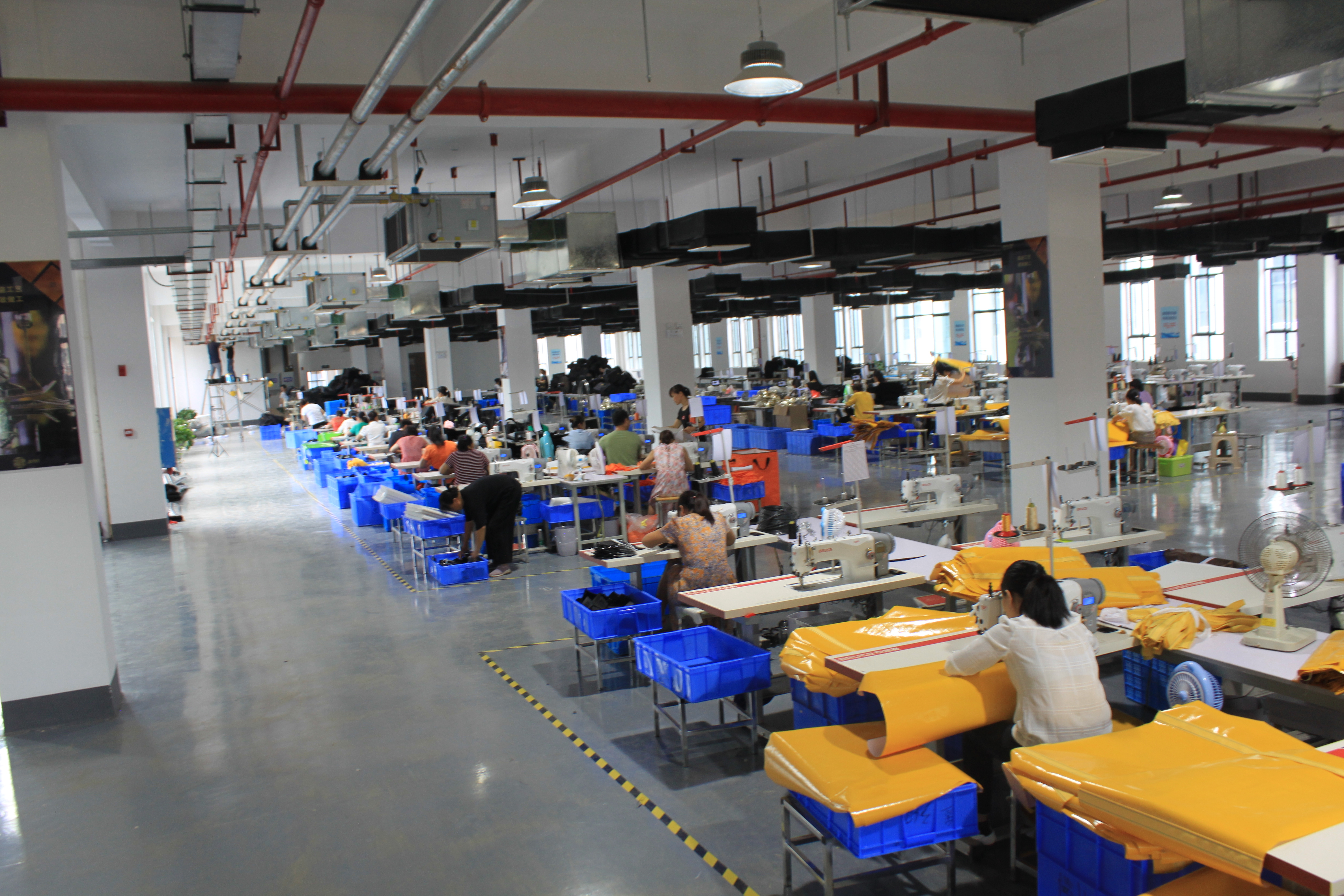
FUYUAN BAG FACTORY has manufactured custom cosmetic and makeup bags since 2003 — 20+ years of OEM/ODM, a Shenzhen headquarters plus a Jiangxi production site, 100+ skilled workers and 100+ industrial sewing machines across 2,000+ m² of owned capacity. We’re audited to BSCI, SEDEX and ISO 9001, have passed the Disney FAMA and Coca-Cola compliance systems, and produce to EU REACH, US CPSIA, California Prop 65, SGS and ROHS standards. MOQ from 500 pcs, 7–15 day lead times, and exports to 60+ countries for brands including Coca-Cola, Disney, Tencent and Baidu.
Send us your design, target quantity, and launch date, and we’ll come back with a realistic MOQ, lead time, and quotation — no fantasy numbers.


20+ years focused on cosmetic bags
sales002@fuyuanbag.com
+86-755-21035273
4F No.B, XinTian Innovative Industry Area, GuanLan Street, Baoan District, Shenzhen,Guangdong,China